
Cuisine
Dominican cuisine, food culture, local dishes, and the stories behind the table.

Café de Valdesia: What the Protected Dominican Name Means
Café de Valdesia is more than a regional label. Its origin, varieties, growing system and product requirements are legally defined in the Dominican Republic and protected in the European Union.

How Irrigation Turned Mao Into a Dominican Rice Center
Mao’s rice story is not an official “rice capital” title. It is the story of water: irrigation transformed the Valverde landscape and built an economy of fields, mills, workers and agricultural infrastructure.

Baní Mango and Expo Mango
Baní’s mango identity is supported by regional production and the completed Expo Mango 2026, while a legislative ‘Capital del Mango’ title remains a proposal unless final enactment is verified.

Habichuelas con Dulce (Dominican Sweet Cream of Beans)
Habichuelas con dulce are a Dominican sweet bean dessert strongly associated with Lent and Semana Santa, prepared in varied household and regional forms.

La Bandera Dominicana
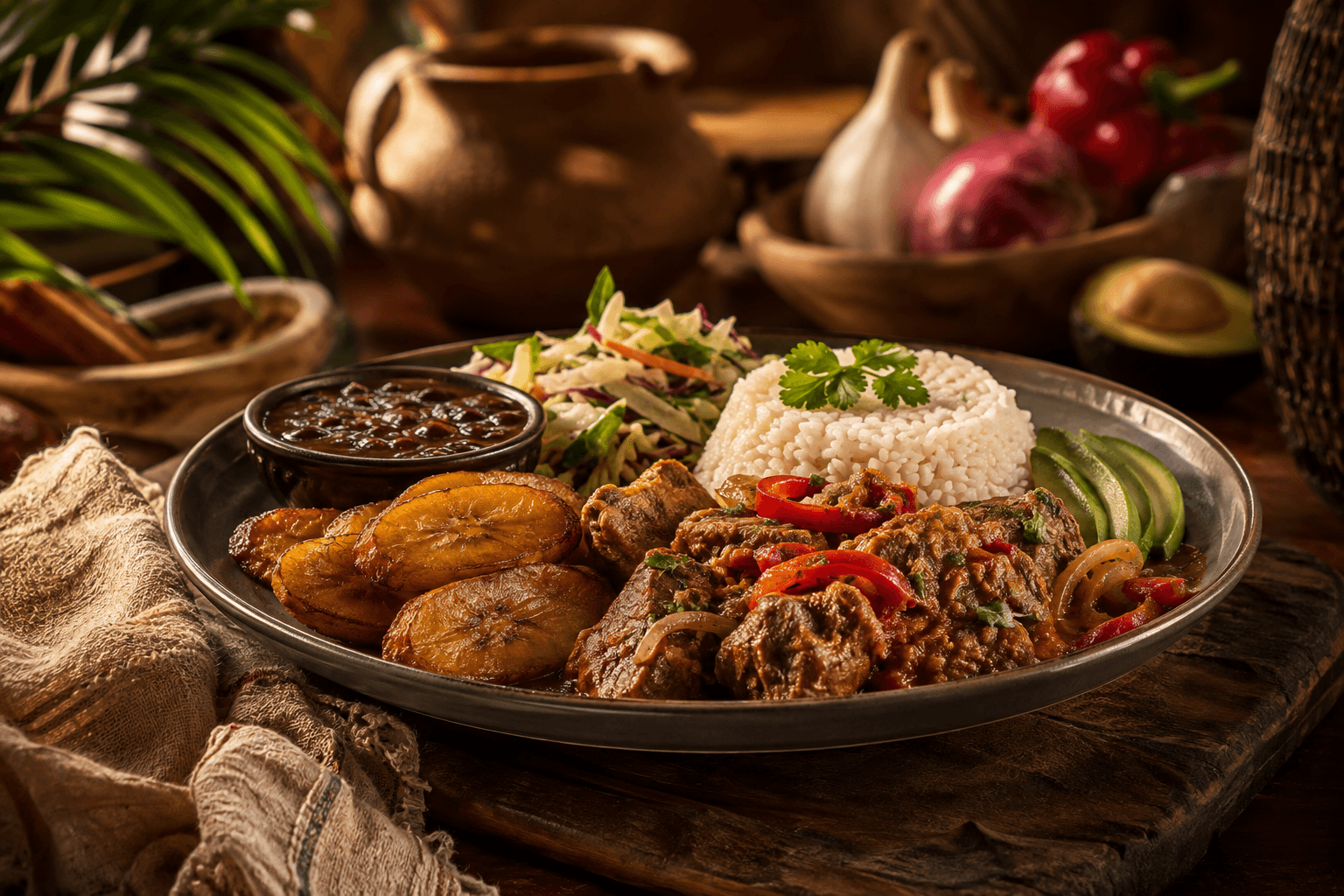
La bandera dominicana is the widely recognized everyday lunch combination of rice, beans, and meat, often served with salad or other sides and expressed through many household variations.

Sierra de Neiba Coffee
Coffee production in the Sierra de Neiba is organized through regional producer groups and linked to agroforestry, watershed recovery, rural employment, and the Café de la Sierra brand.

El Seibo Cacao: Inside an Eastern Dominican Growing Region
El Seibo is part of a larger Dominican cacao economy built on growers, post-harvest processing, cooperatives and exporters. Its local story should not be confused with national production, organic or export statistics.