
Blog — Dominican Culture
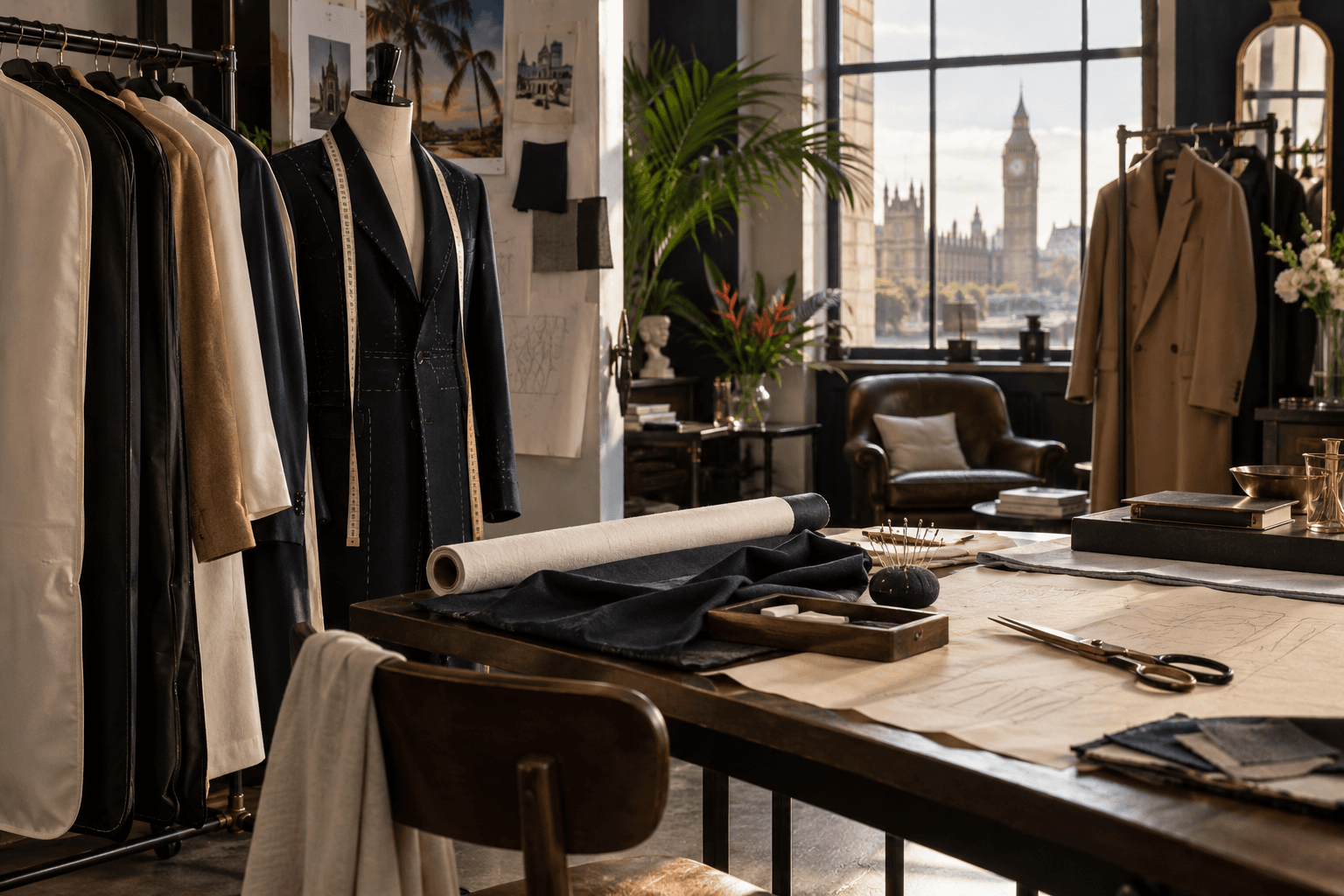
José Cristian Lagares: Caribbean Design From Dominican Workshops to London
JCL links Dominican training and Caribbean Fashion with a 2026 London retail foothold and an active runway presence at home.
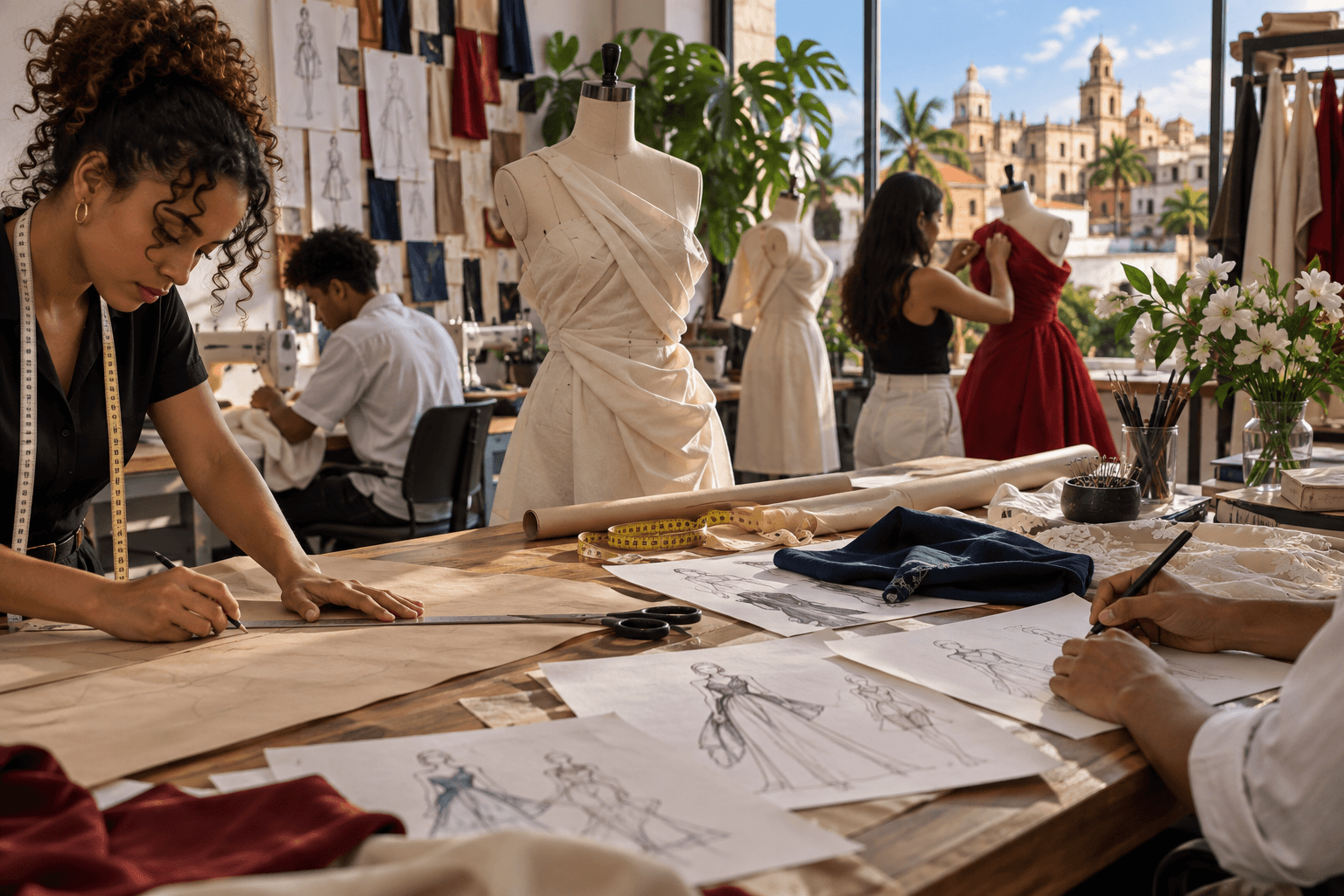
Who Builds the Next Dominican Fashion Designer?
Schools, mentors and a new generation of incubators are turning Fashion talent into a pipeline rather than leaving careers to chance.
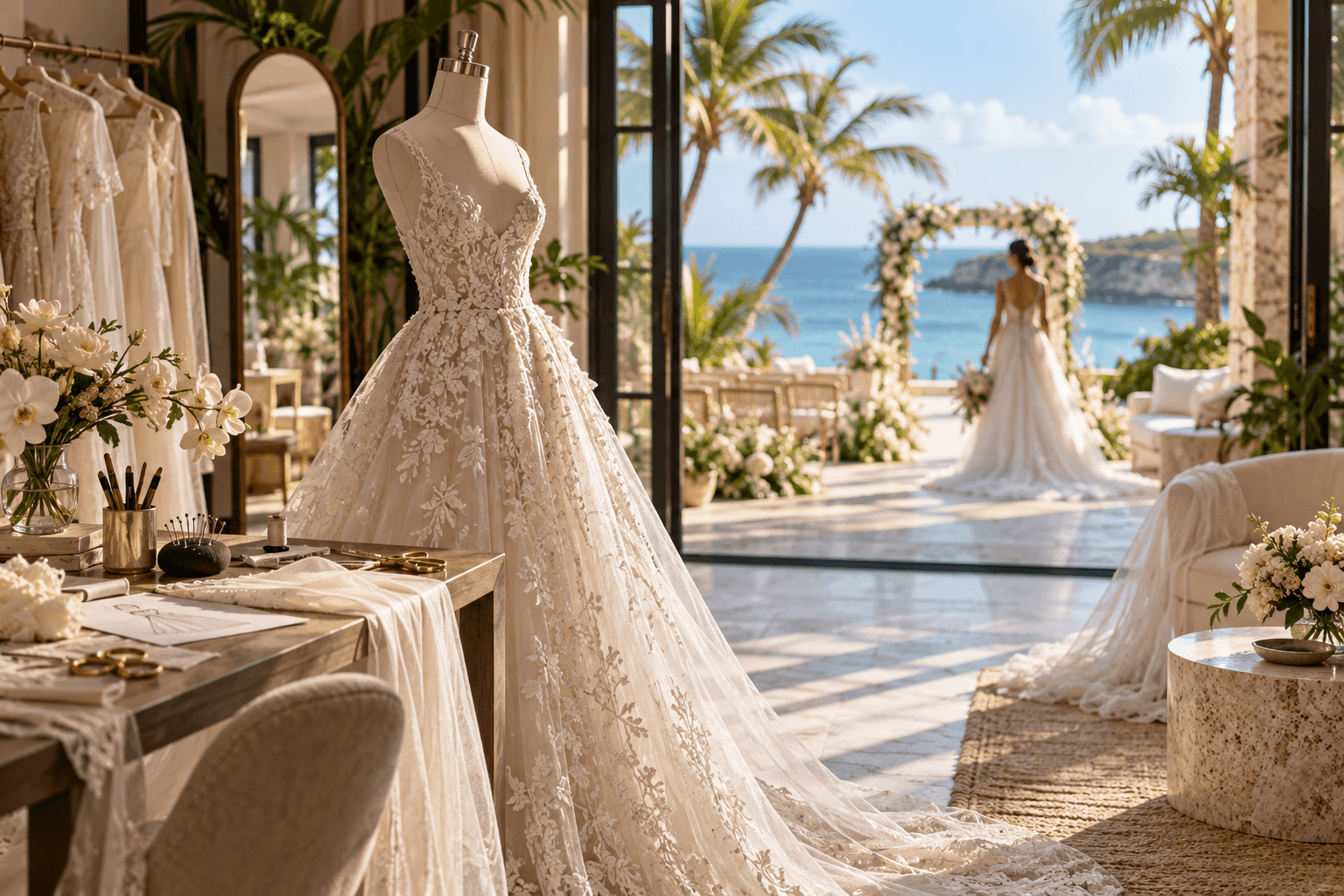
Beyond the White Dress: Dominican Bridal Fashion as an Ecosystem
Dominican bridal Fashion sits inside a much larger wedding economy: designers, menswear, boutiques, planners, hotels, food, photography and destination tourism all meet around the same celebration.

Oriett Domenech: Structure, Denim and the Business of a Dominican Label
Oriett Domenech’s 2026 denim collection makes more sense when read against a label built around structure, made-to-measure work and repeated attempts to connect Dominican design with wider markets.
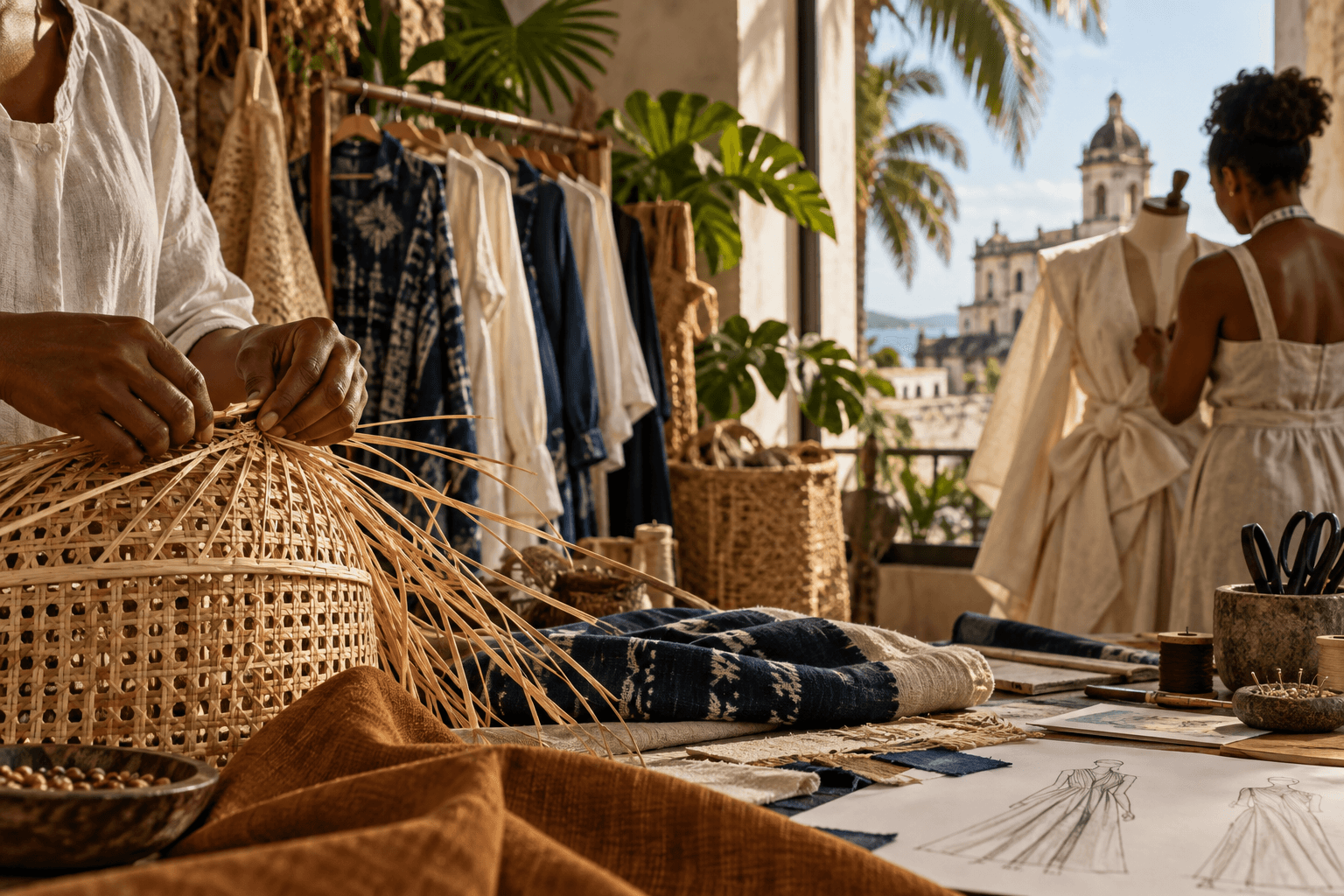
Craft and Caribbean Roots in Dominican Fashion: Jacqueline Then, Maylé Vásquez and Marisol Henríquez
Jacqueline Then, Maylé Vásquez and Marisol Henríquez show three distinct ways Dominican Fashion turns craft and Caribbean roots into design.
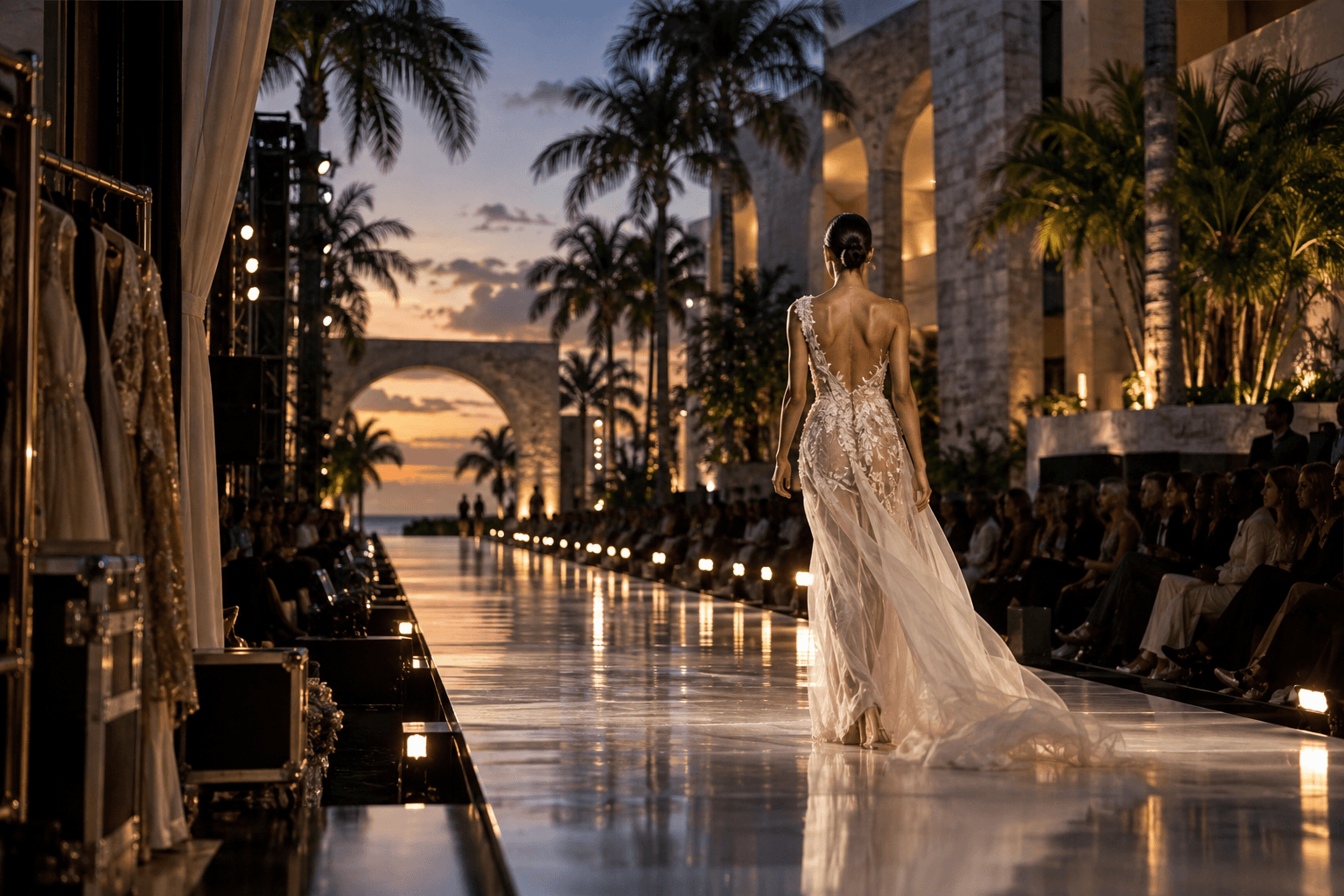
Inside the Dominican Fashion Calendar: Five Platforms Shaping 2026
A guide to five Dominican Fashion platforms shaping 2026, from bridal and resort runways to Fashion Freak Fest and RD Fashion Week.
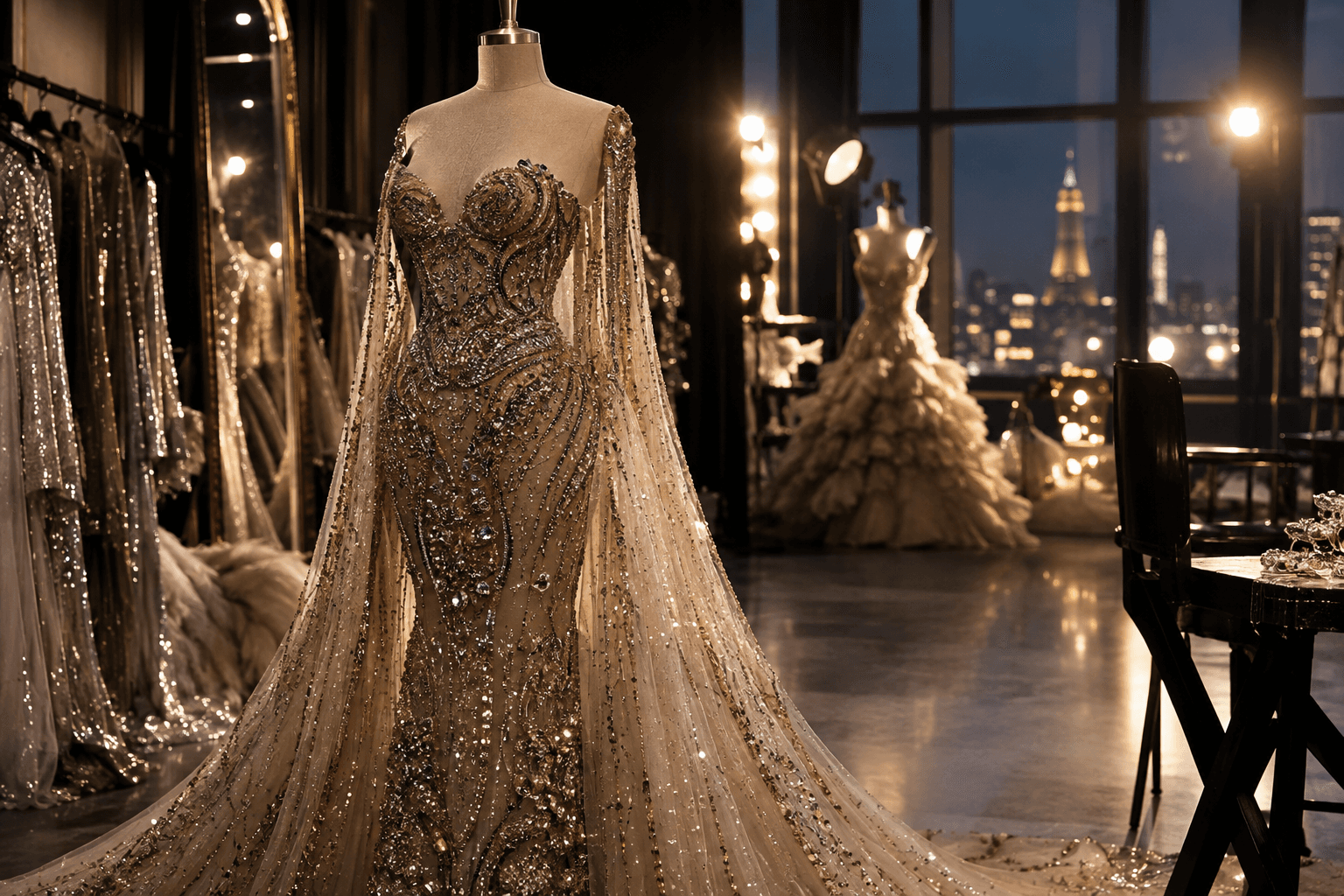
Giannina Azar: Dominican Glamour Across Runways, Bridal Fashion and Global Stages
Giannina Azar's 2026 Fashion calendar spans bridal, Casa de Campo, Monaco and New York, showing a distinct Dominican eveningwear story.
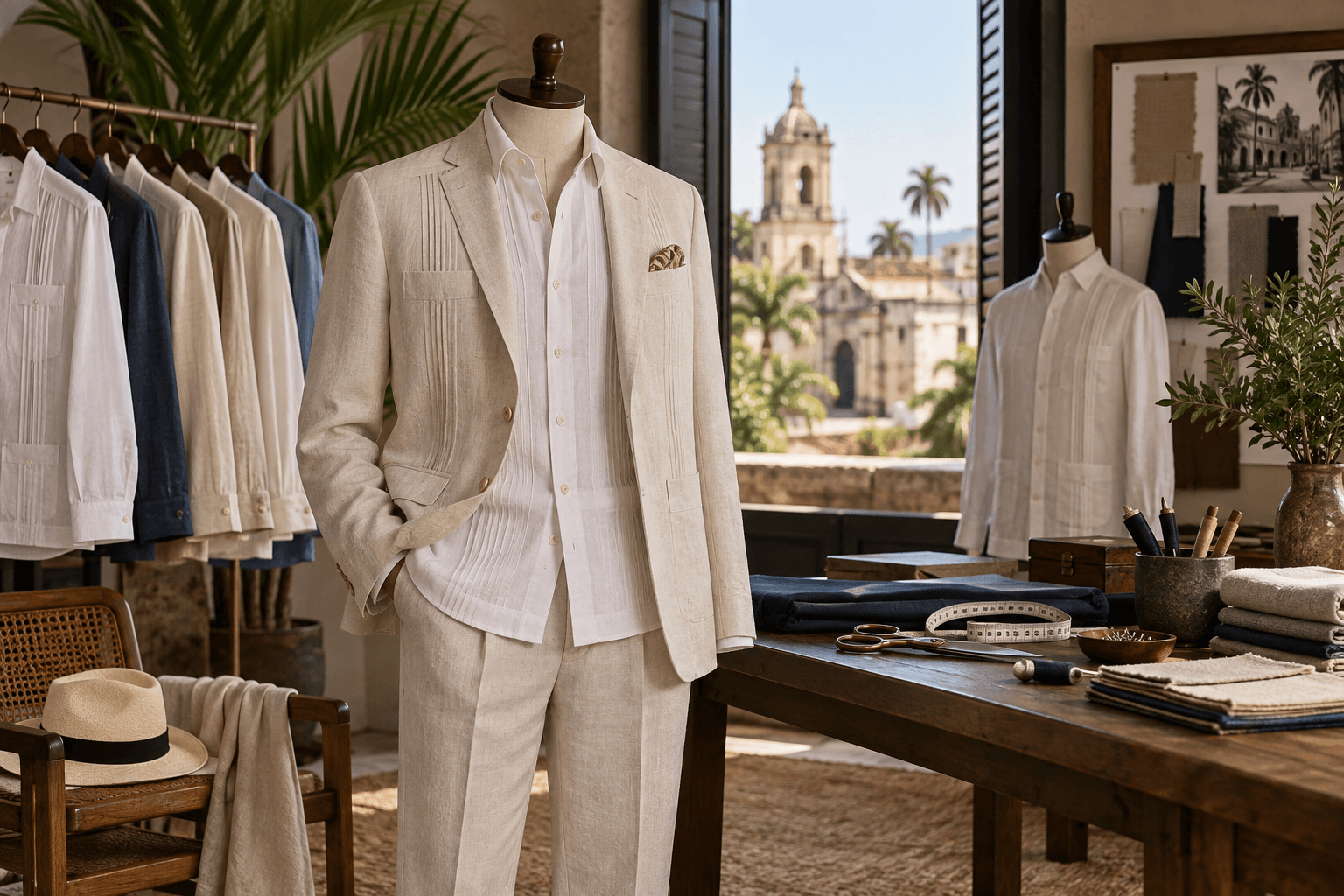
Dominican Menswear Beyond the Guayabera
Dominican menswear spans Caribbean shirt traditions, formal tailoring and bridal style, with designers adapting menswear to the island's climate.
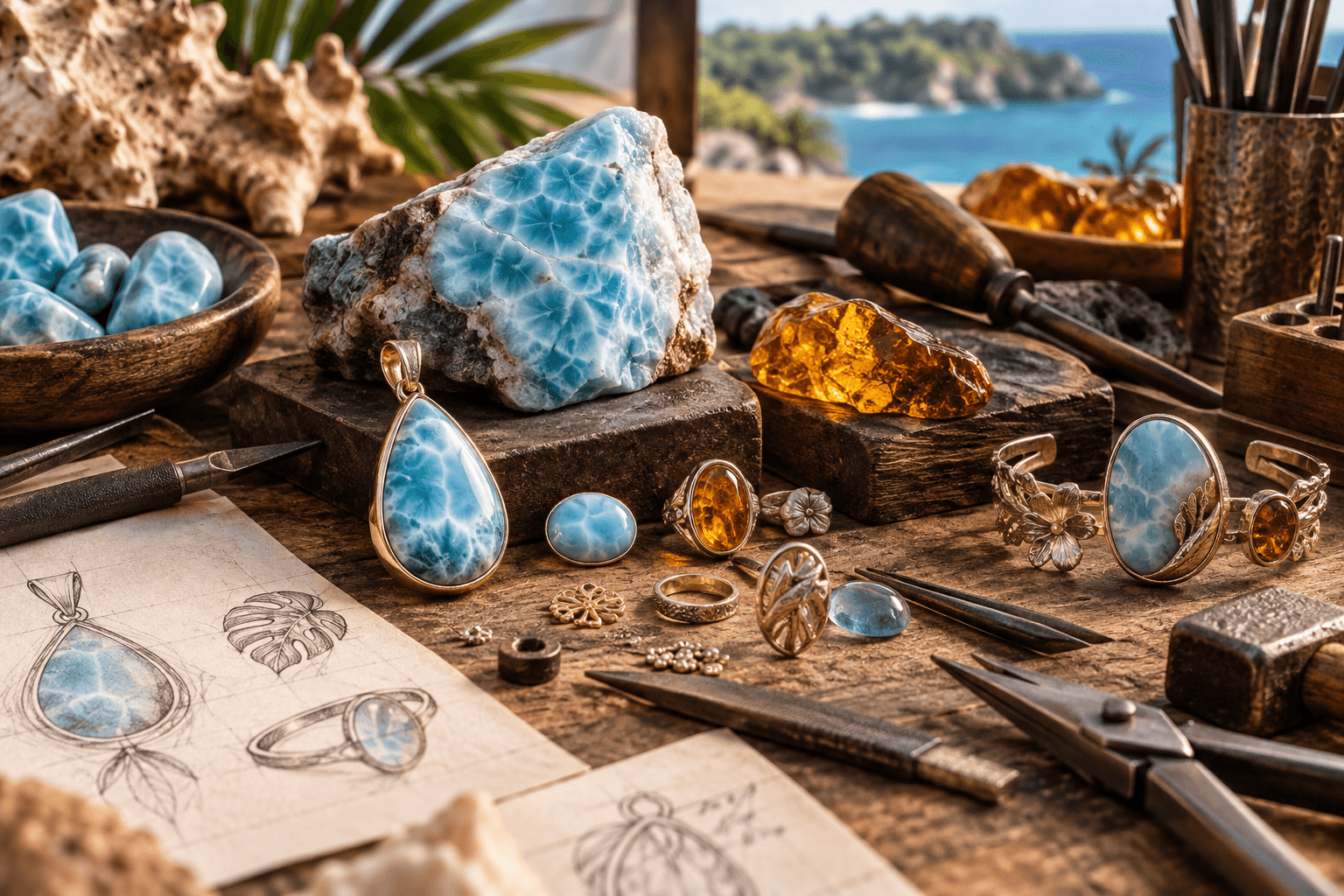
Dominican Jewelry: Larimar, Amber, Craft and Contemporary Design
Dominican jewelry sits at the intersection of geology, craft, intellectual property, industrial exports and contemporary design.
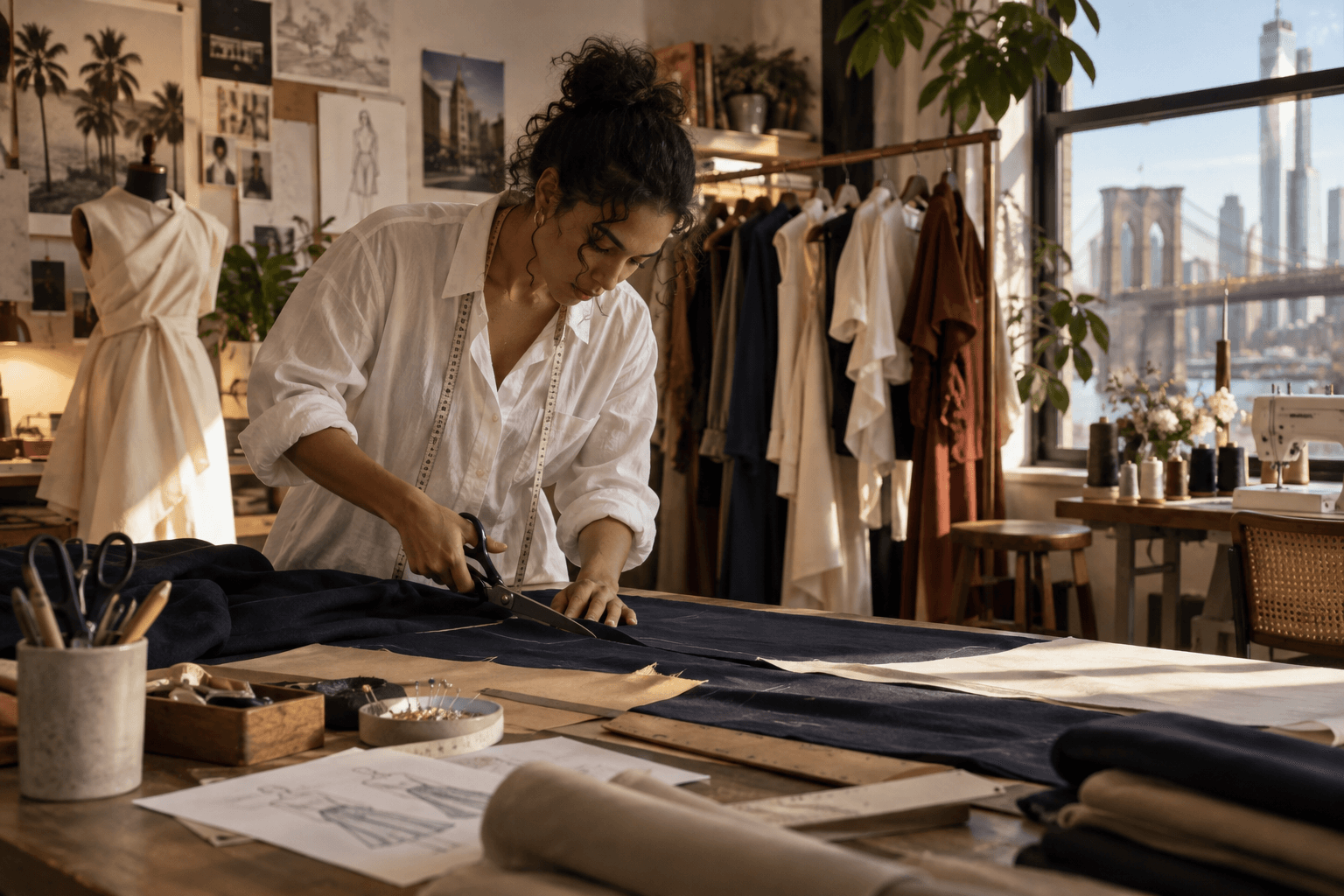
Dwarmis Concepción: Dominican Warmth, New York Pace
Born in Santo Domingo, Dwarmis Concepción built a New York label after working with established U.S. fashion brands and joined the NYFW schedule.
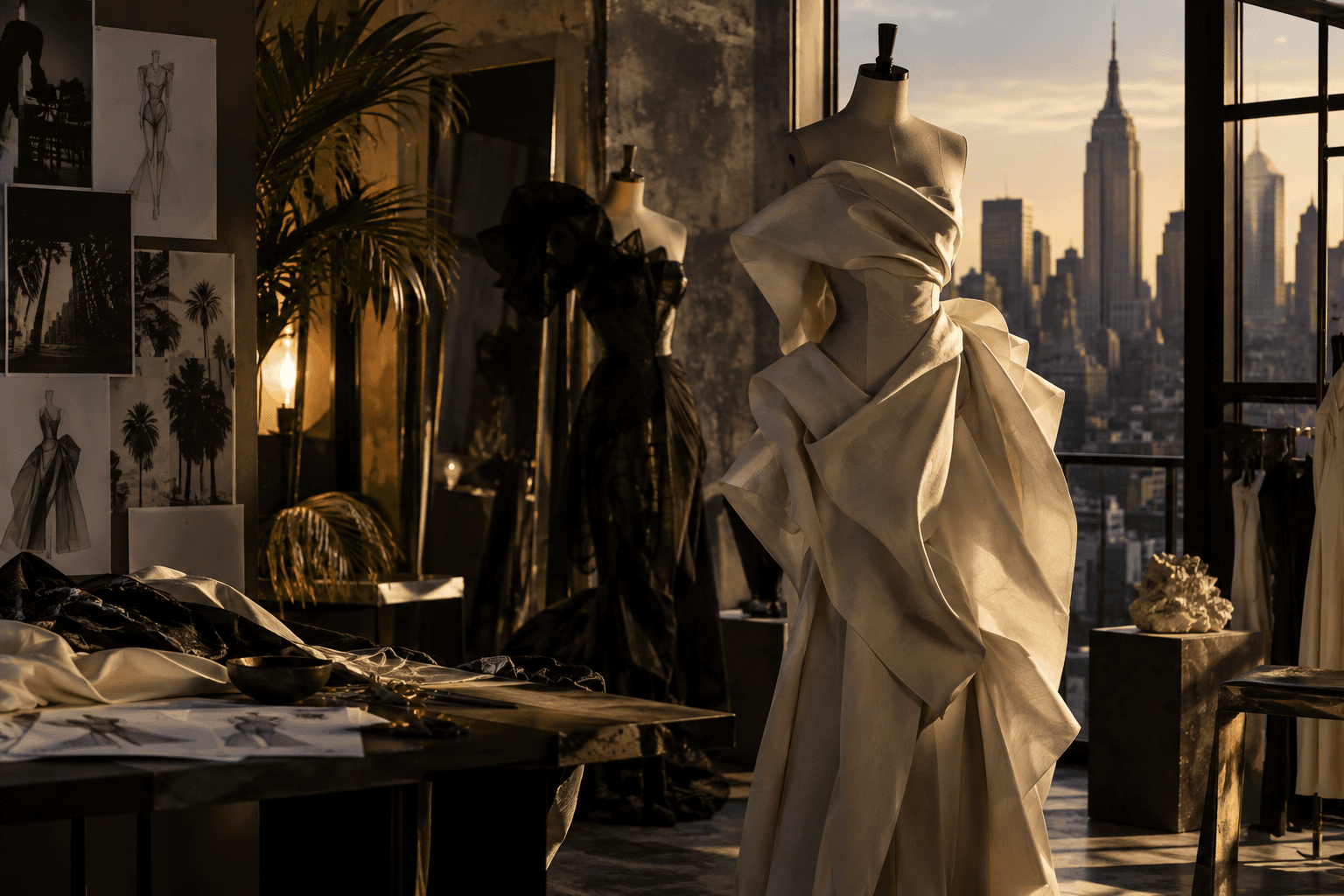
LEBLANCSTUDIOS: From Santo Domingo to New York Fashion Week
Founded in Santo Domingo in 2014, LEBLANCSTUDIOS explores Dominican identity through tailoring, workwear and Caribbean history.
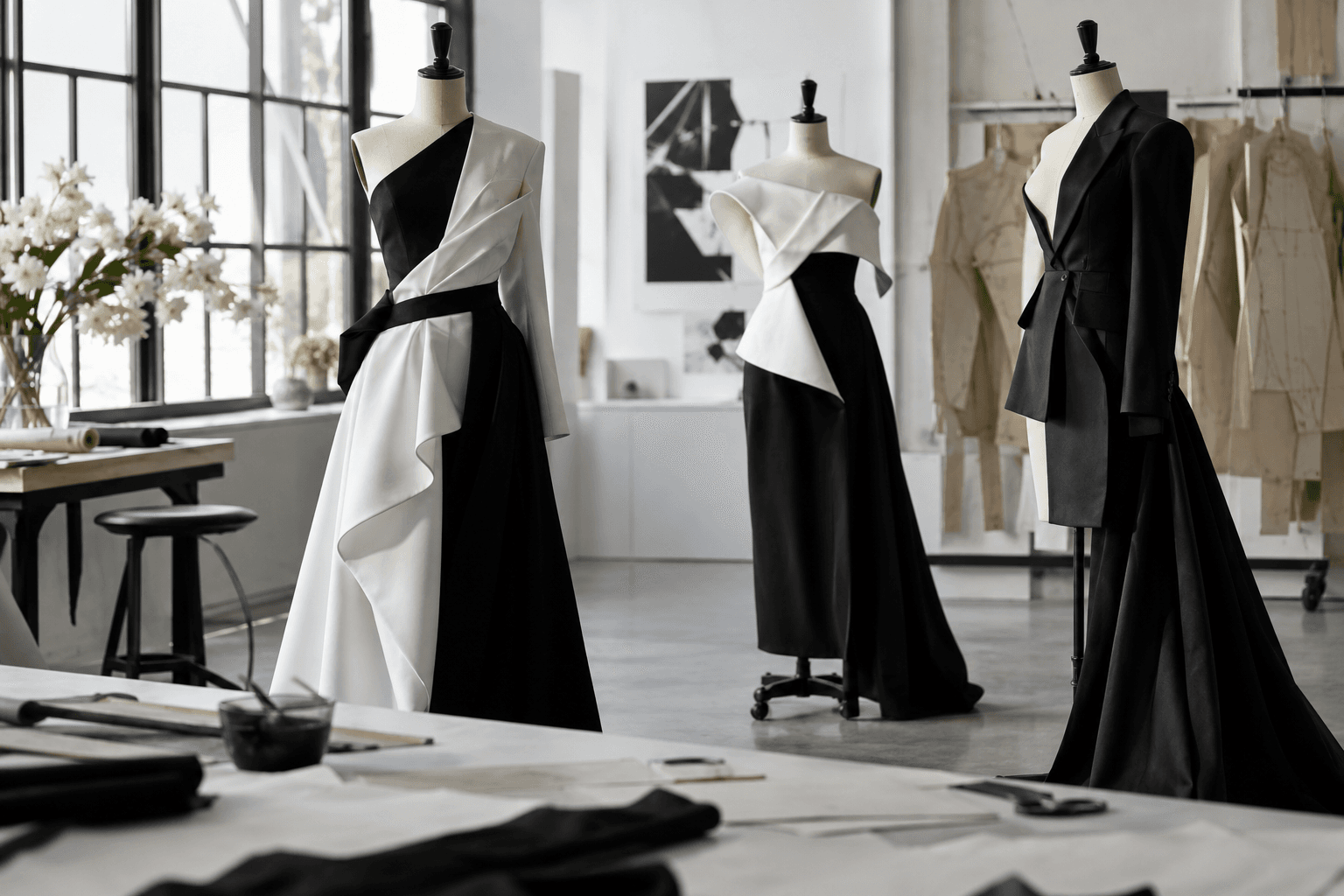
Fernando Garcia, Monse and the Dominican Lineage After Oscar
Fernando Garcia connects Dominican origins and Oscar de la Renta mentorship with Monse, the independent New York label he co-founded.
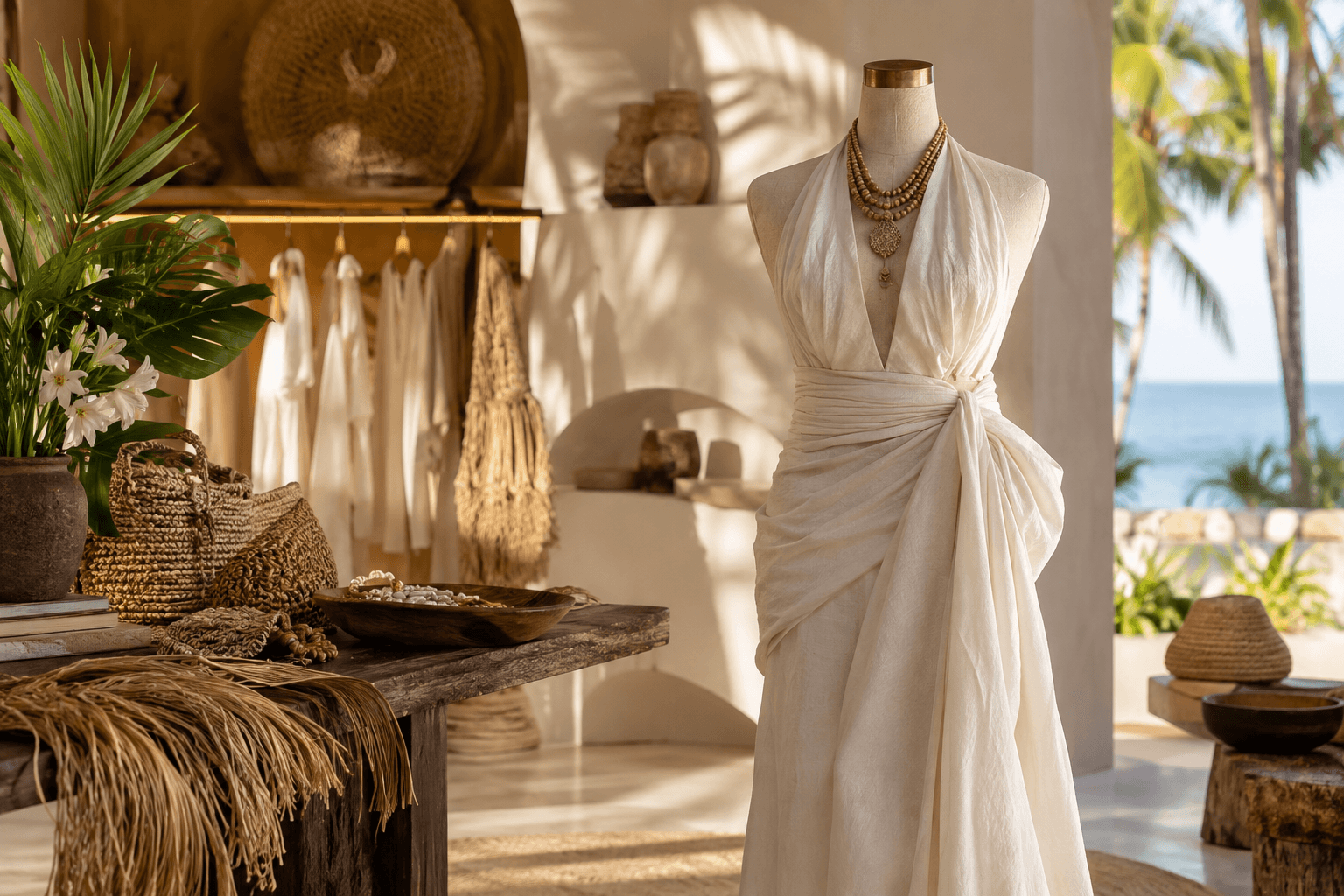
Jenny Polanco: Caribbean Design, Craft and a Dominican Fashion House That Outlived Its Founder
Jenny Polanco built a Dominican design language around climate, linen, amber and craft. After her death in 2020, the house kept moving.
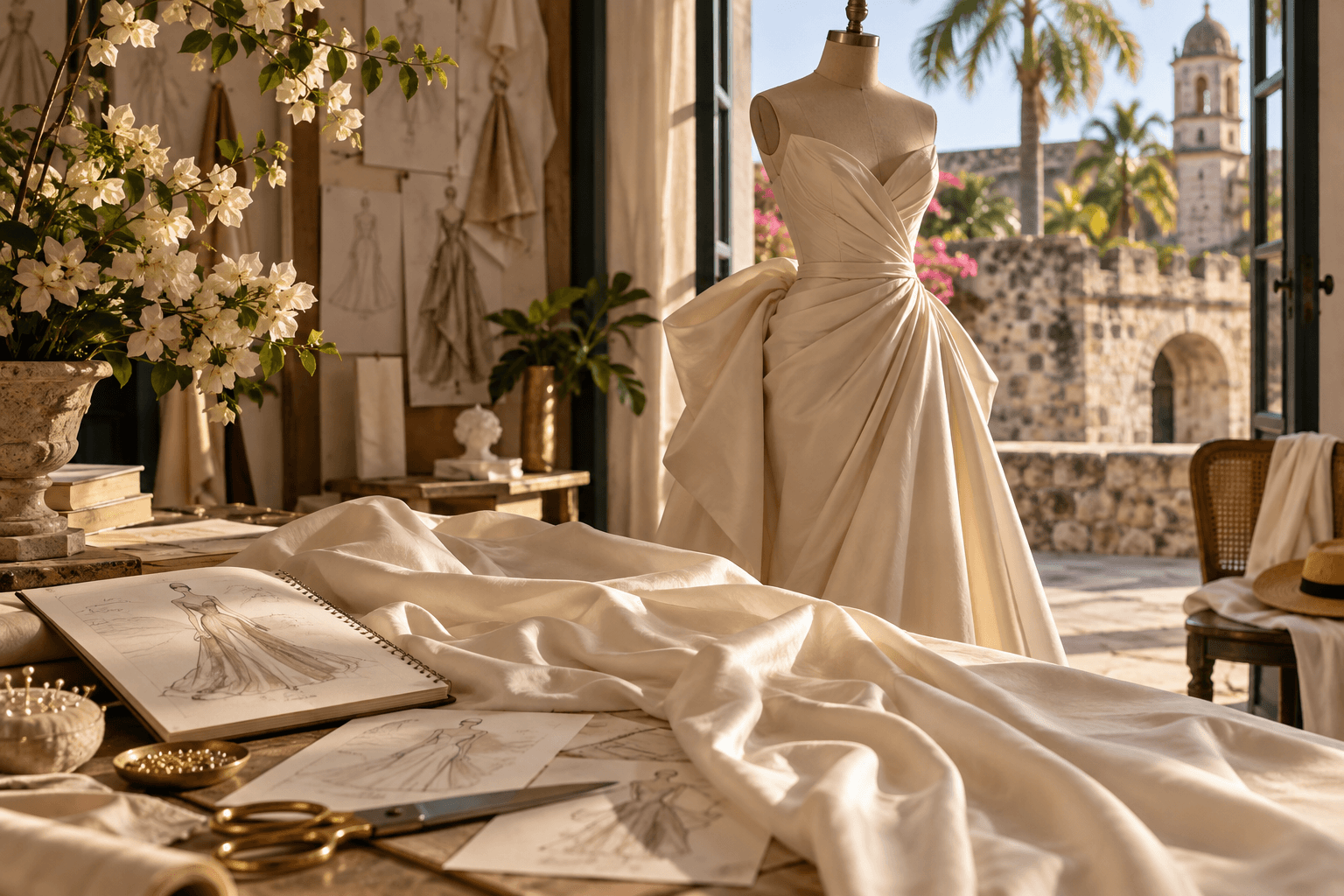
Oscar de la Renta: Dominican Roots and a Global Fashion Legacy
Oscar de la Renta brought his Santo Domingo roots into a global career, and his namesake house revisited them for Pre-Fall 2026.
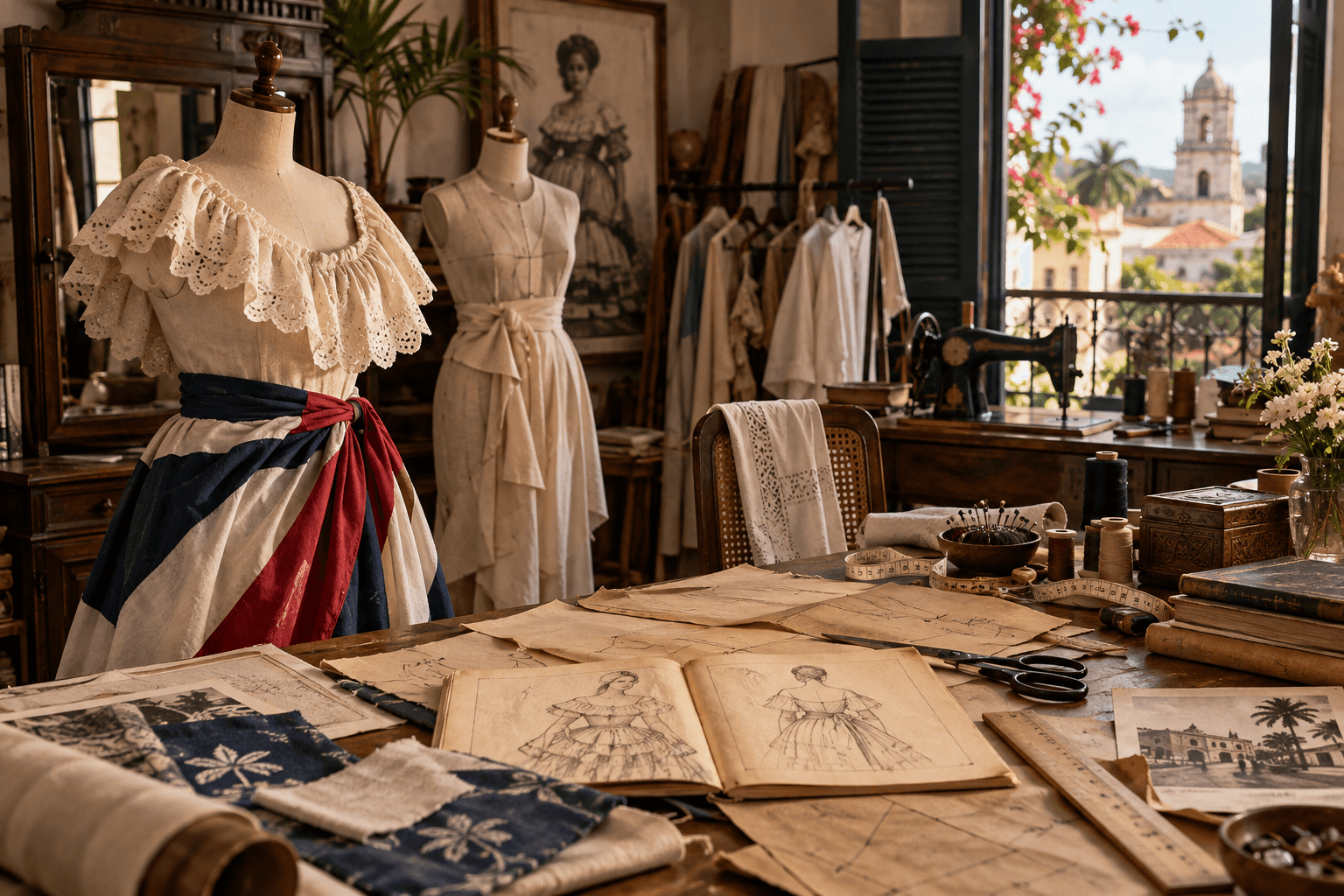
How Dominican Fashion Built an Industry: Farah Cabrera, Mercy Jácquez and the Schools That Followed
Trace the modern Dominican Fashion ecosystem from Farah Cabrera and Mercy Jácquez to ADD, CHAVÓN and later industry platforms.
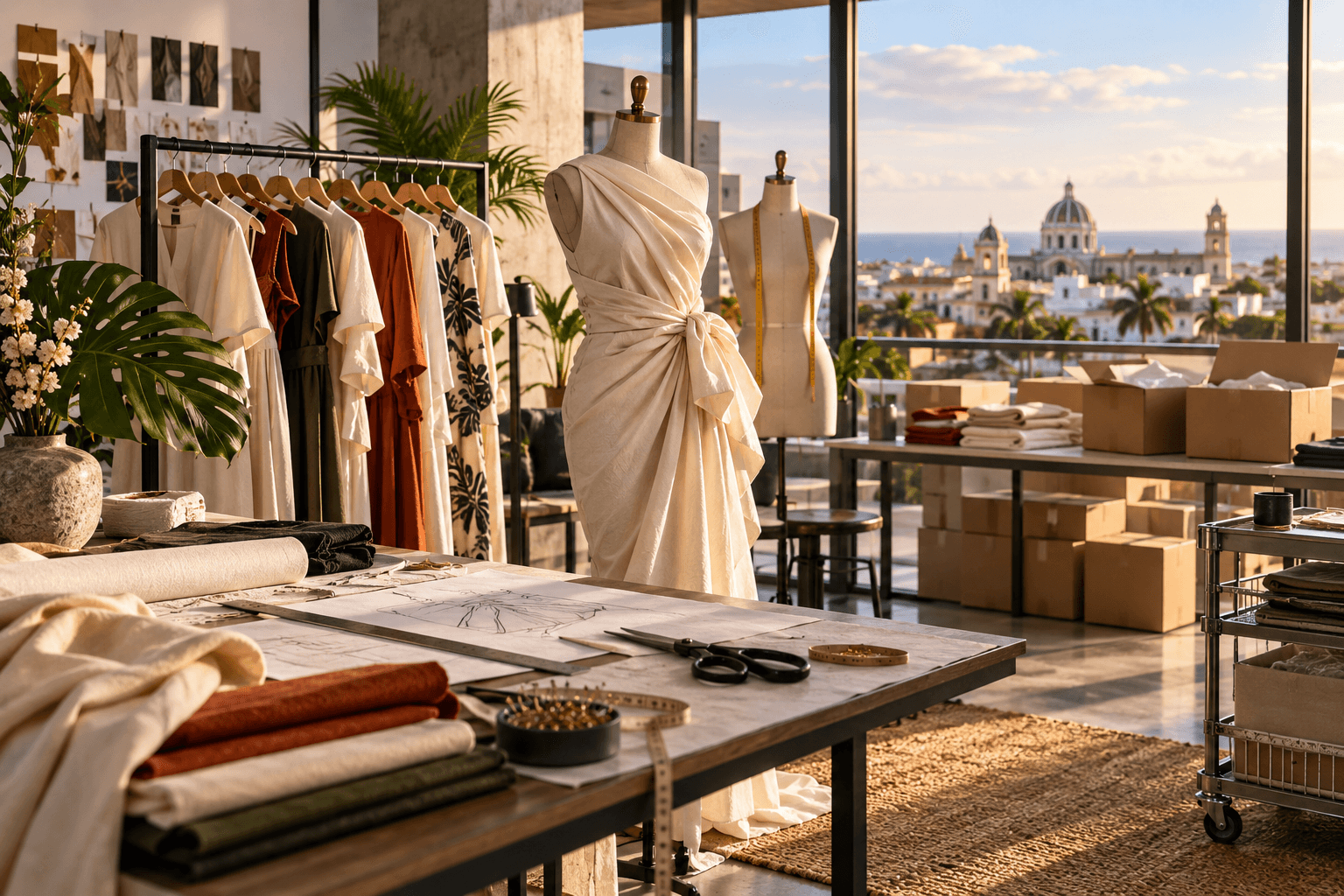
Dominican Fashion Is an Industry, Not Just a Runway
See how Dominican Fashion extends beyond the runway into textiles, jewelry, footwear, training, exports and independent design.

Bamboulá and Afro-Samaná Memory
Samaná is easy to photograph. The peninsula almost seems designed to reward a camera: green mountains dropping toward the Atlantic, boats crossing…

Why Baseball Means So Much in the Dominican Republic
Baseball in the Dominican Republic is easy to explain badly. The lazy version sounds like this: Dominican children play everywhere. They dream of…

The Dominican Civil War of 1965 and U.S. Intervention
In April 1965, Santo Domingo became a battlefield over a question the death of Trujillo had failed to resolve: What political order would replace…

What Happened Between 1821 and 1844?
Few periods of Dominican history are more frequently simplified than the twenty-two years before independence. A familiar nationalist version runs…

Dominican History: A Responsible Timeline
A useful Dominican timeline should not begin with the country suddenly appearing on February 27, 1844. It should begin with the island. Long…

The War of Restoration: When the Republic Had to Be Won Again
Dominican independence did not settle the question of Dominican sovereignty. Seventeen years after the republic was proclaimed in 1844, President…

Félix Sánchez: The Hurdler Who Changed What Dominican Athletics Believed Was Possible
Dominican sports history contains athletes who became famous. Félix Sánchez changed the ceiling. That distinction matters. When Sánchez began…

Hispaniola Before 1492
The island did not begin when Europeans named it. That sentence sounds obvious. Tourism literature still manages to forget it. Santo Domingo’s…