
Bachata
A living social tradition shaped by guitar, intimacy, neighborhood life, changing respectability, and global circulation.
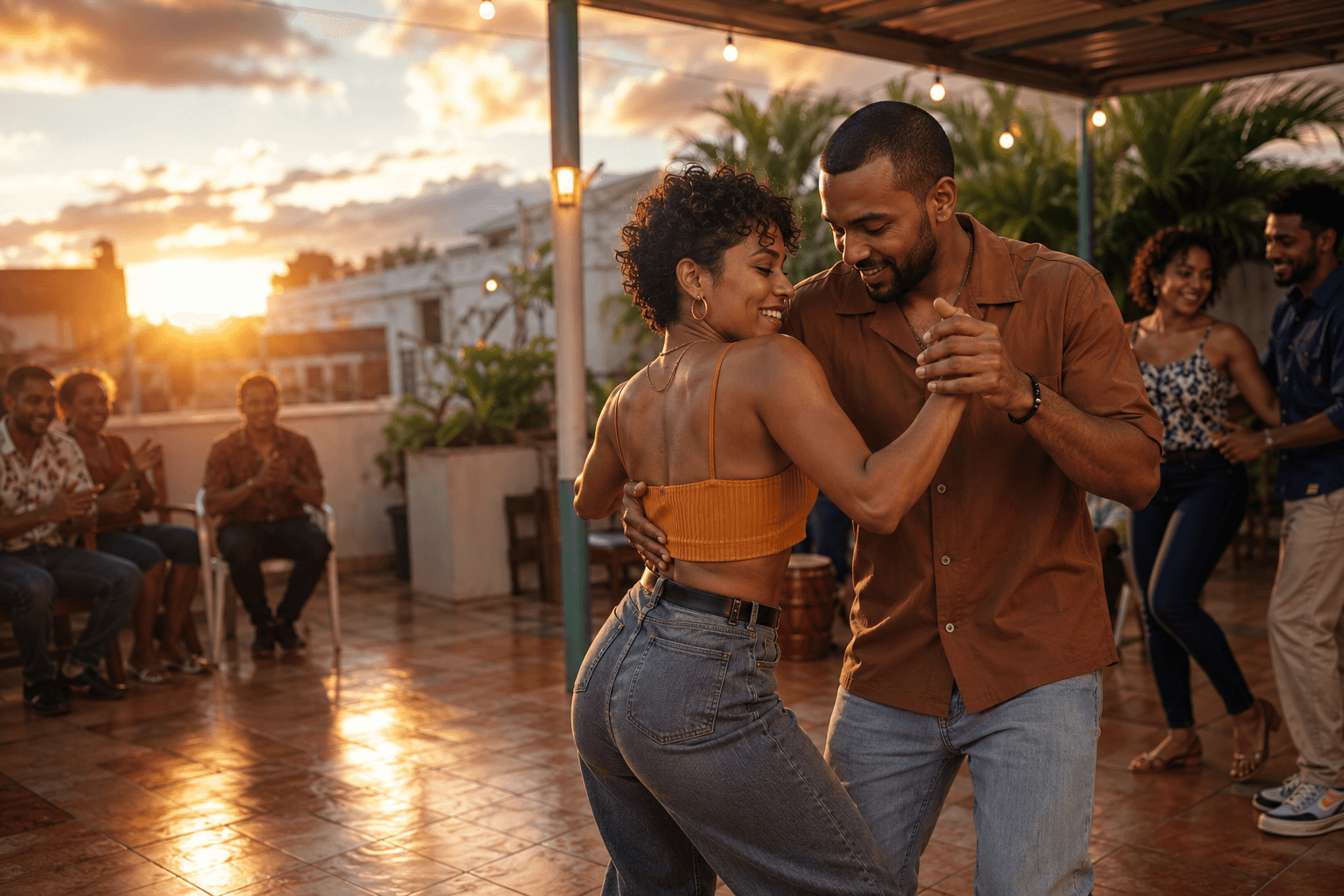
Dance can tell you where people came from, how a community gathers, what a rhythm remembers, and whether a performance belongs to a social floor, a stage, or a sacred setting.
Start with bachata and merengue, then listen for the differences inside each tradition.
A living social tradition shaped by guitar, intimacy, neighborhood life, changing respectability, and global circulation.
National reach contains regional sound: orchestra merengue and accordion-led típico do not tell the same story.
The classic típico conversation is rhythmic, adaptive, and inseparable from social dance.
Recordings, family memory, local musicians, and new ensembles keep the form moving.
Mangulina, carabine, zapateo, and chivo florete point toward regional histories that a national dance shorthand misses.
Regional forms preserve differences in step, music, occasion, and local memory.
Folkloric presentation can preserve and teach, but it should not be confused with unrestricted access to living practice.
Music, movement, faith, mourning, and community obligation cannot be separated into an entertainment category.
Devotion, rhythm, procession, and community memory require context and respectful visitor behavior.
Archive, Creole song, devotion, and community knowledge reveal a quieter cultural geography beyond the peninsula postcard.
Social dance invites participation. Sacred and community-controlled traditions may not. Ask, observe, and never assume a camera or audience belongs everywhere.
Learn the social setting before trying to perform it.
Dance changes across borders without becoming less Dominican.
This section grows only when a related story is published and publicly available.

Samaná is easy to photograph. The peninsula almost seems designed to reward a camera: green mountains dropping toward the Atlantic, boats crossing…

Follow the accordion north and the Dominican Republic starts to sound different. In Santo Domingo, merengue can arrive through a polished…

The road southwest from Santo Domingo changes almost before a traveler notices. The capital thins behind you. The landscape becomes drier.…
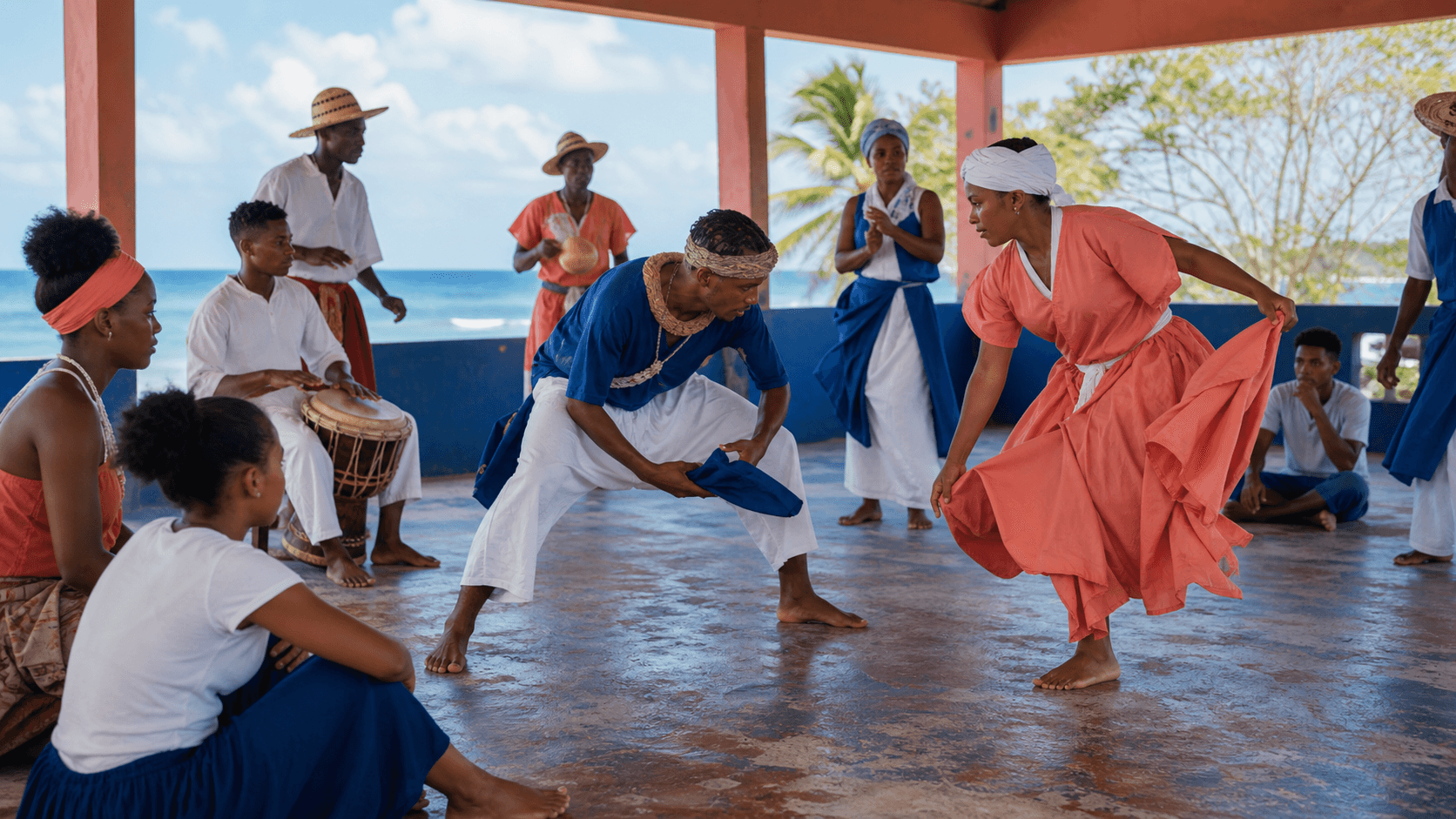
How migration, mutual aid, performance, and community transmission shaped Cocolo dance drama in San Pedro de Macorís.
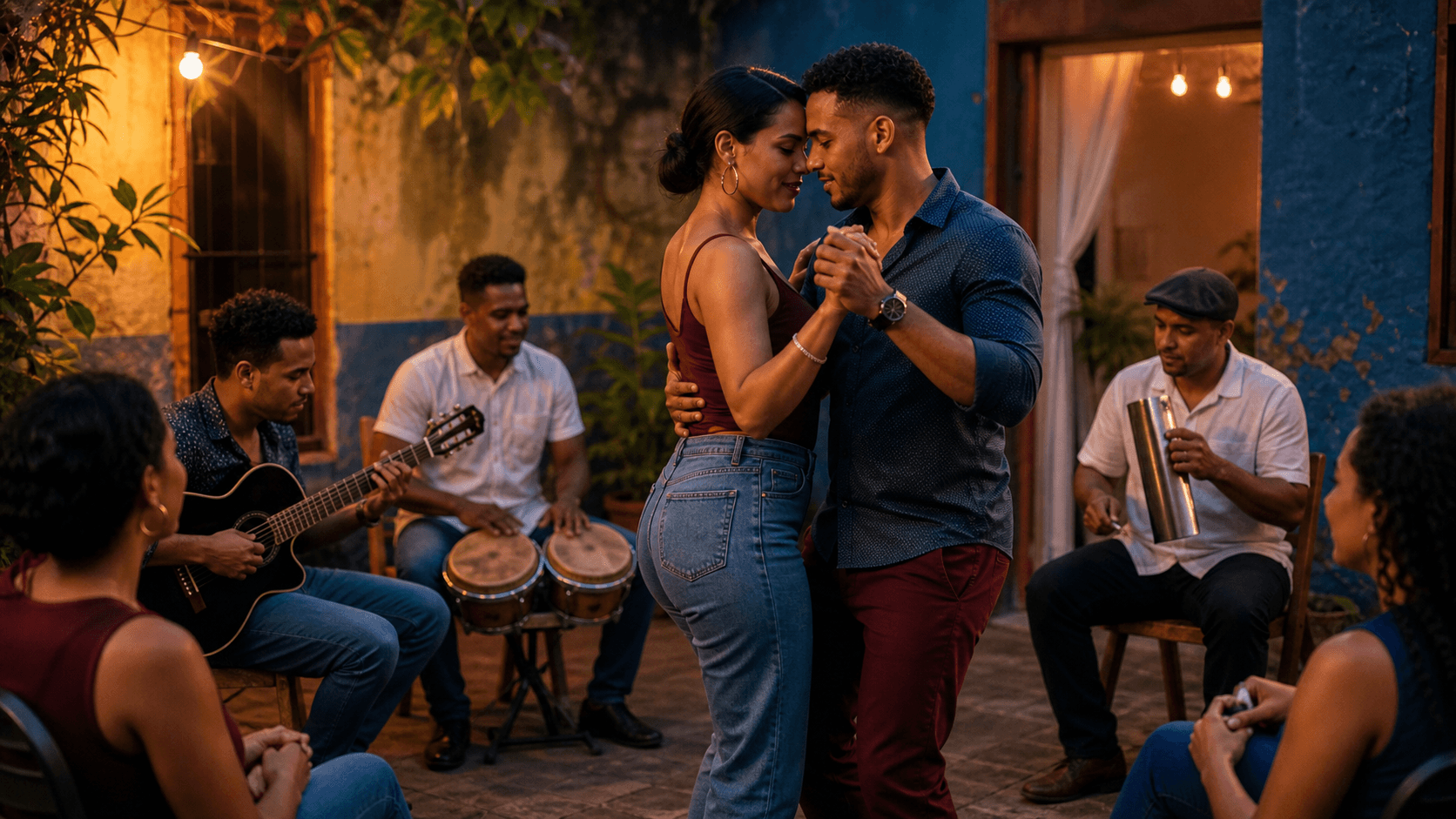
A cultural guide to bachata as music, partner dance, social memory, and a tradition transmitted across generations.
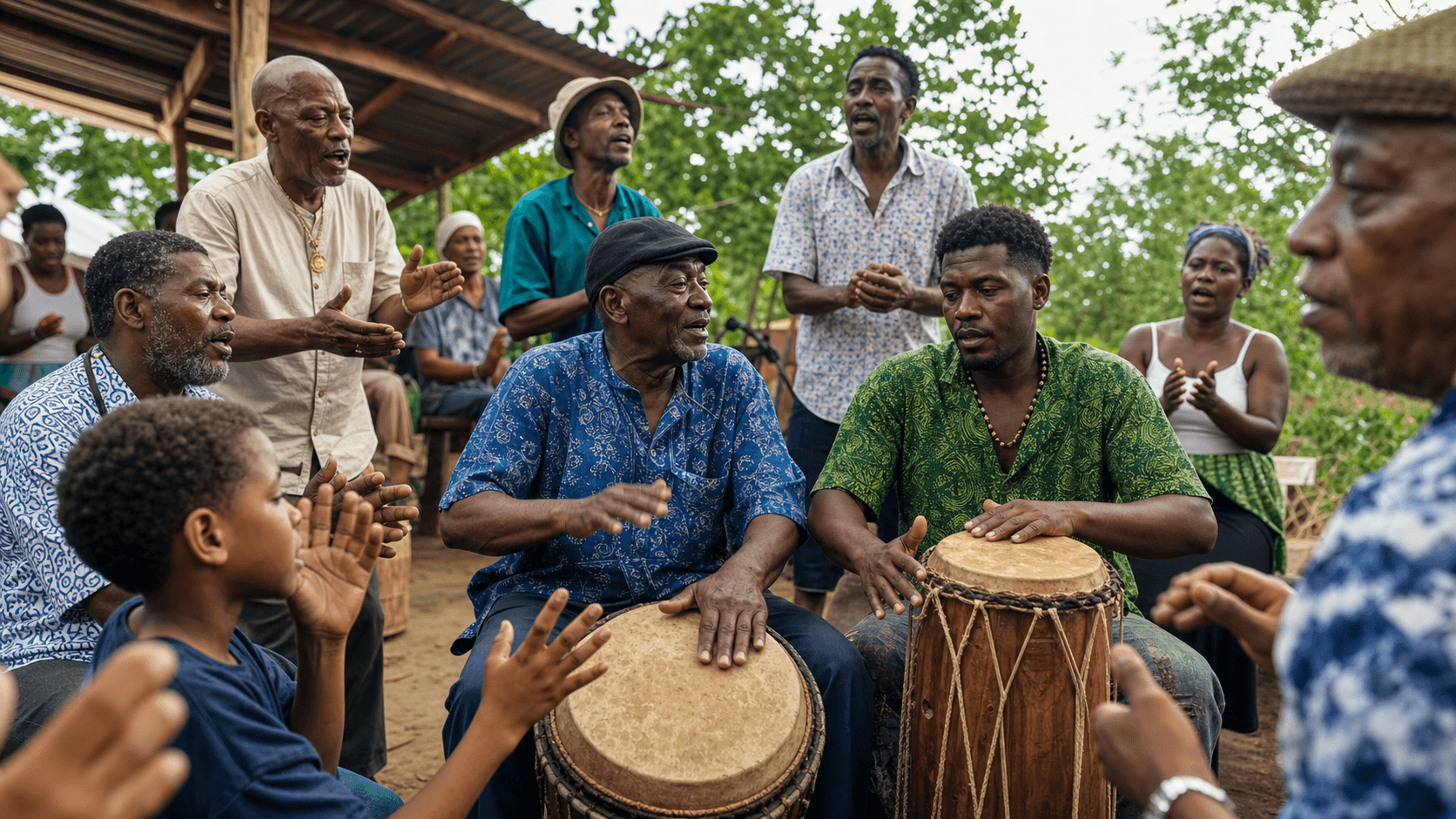
Context for the Brotherhood of the Holy Spirit, its music, community life, sacred responsibilities, and ongoing safeguarding.
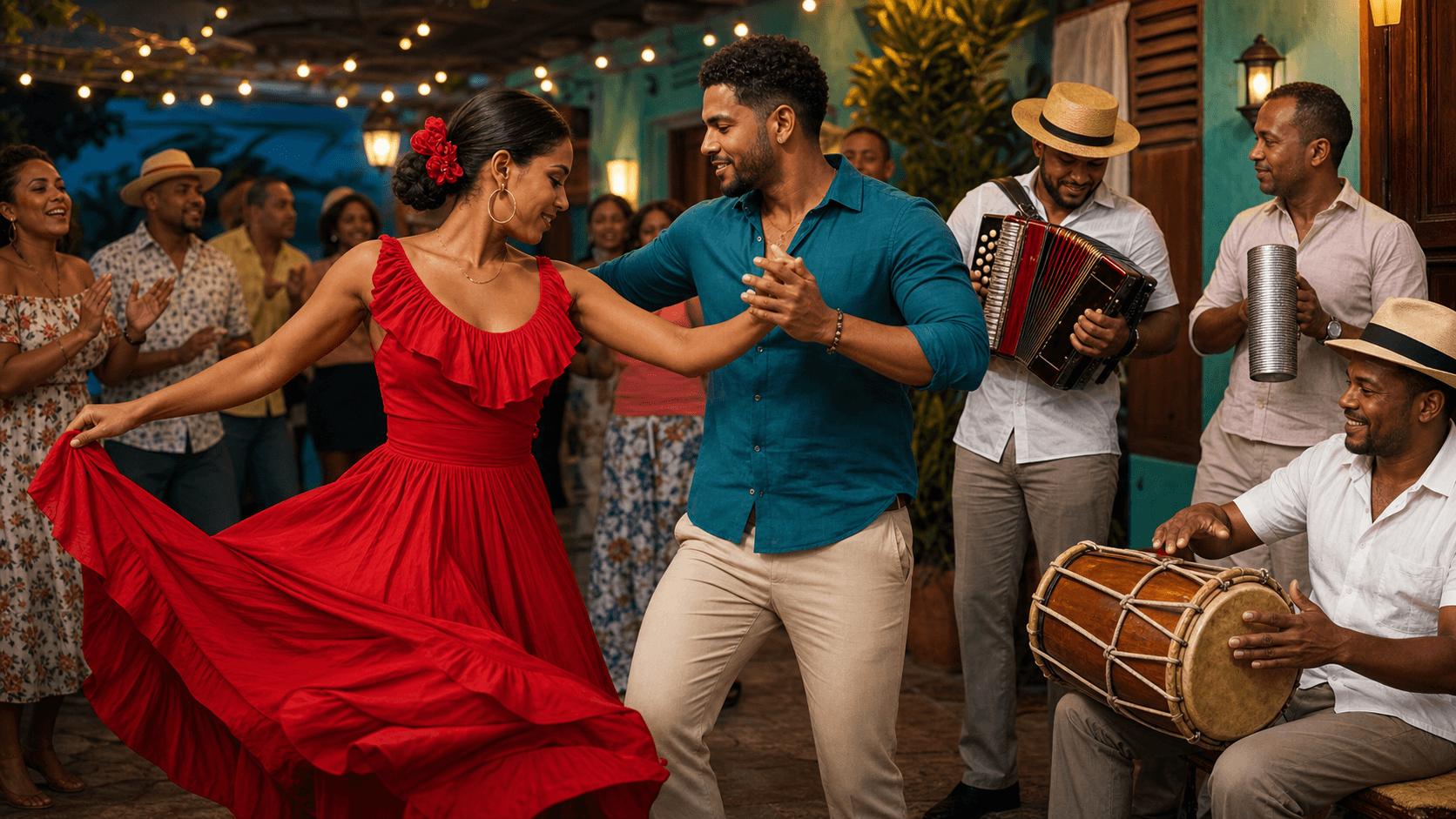
How merengue joins music, dance, community memory, and everyday Dominican social life.