
Cuco Valoy and the Rhythms Between Generations
Cuco Valoy’s journey through son, salsa, and merengue reveals how Dominican music moves between traditions, orchestras, and generations.
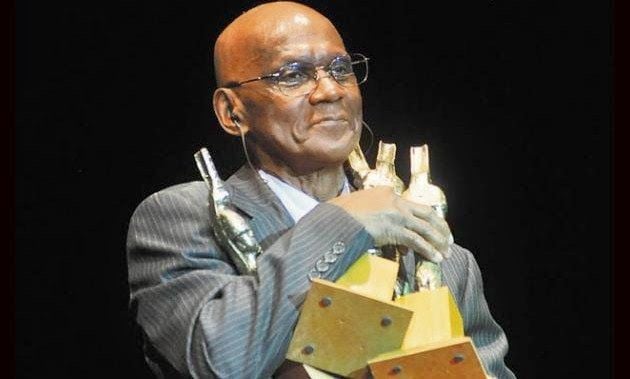
Dominican musician Cuco Valoy pictured with trophies and awards. Photo credited to Bonao City RD via Wikimedia Commons, licensed under CC BY-SA 4.0.
Summary
Cuco Valoy built a wide-ranging Dominican musical career across son, salsa, merengue, and other Afro-Caribbean styles. His work with Los Ahijados, Los Virtuosos, and La Tribu also created a space where family collaboration and changing musical ideas could meet.
Listen closely to “Juliana” and the breadth of Cuco Valoy’s musical language comes into focus. iASO Records identifies “Juliana” as a 1978 salsa recording whose son-influenced feel points toward a career comfortable moving among several Afro-Caribbean rhythms.
That movement began with a foundation in son. Alongside his brother Martín Valoy, Cuco performed as Los Ahijados, working with son montuno and Afro-Cuban repertoire. The duo placed him within a musical conversation that reached beyond one island while giving him a base for the larger ensembles that followed.
In 1975, Valoy formed Los Virtuosos, expanding that foundation into a tropical orchestra able to move among salsa, merengue, cumbia, bolero, and other styles. The group later became known as La Tribu, a name that reflected its family-centered character as well as its broader ensemble identity.
Ramón Orlando’s participation gave that family dimension a clear musical form. Sources describe the younger musician contributing training and new ideas within the orchestra. Their work together offers a documented example of musical knowledge passing between generations while being reshaped inside a changing popular sound.
For Valoy, versatility was more than a list of genres. It could be heard in changes of rhythm, orchestration, instrumentation, and vocal delivery. Across those shifts, his work remained tied to Dominican popular music while engaging a wider Afro-Caribbean vocabulary.
The result is a story of music moving through duos, orchestras, family collaboration, and rhythms carried from one generation into the next.
Timeline
Mid-1960s
Los Ahijados
Cuco and Martín Valoy performed son montuno and Afro-Cuban repertoire as Los Ahijados.
1975
Los Virtuosos
Cuco Valoy formed Los Virtuosos, expanding into a larger tropical orchestra.
Late 1970s–1980s
A family-centered orchestra
Ramón Orlando participated in the ensemble as its sound developed across merengue, salsa, and other tropical styles.